
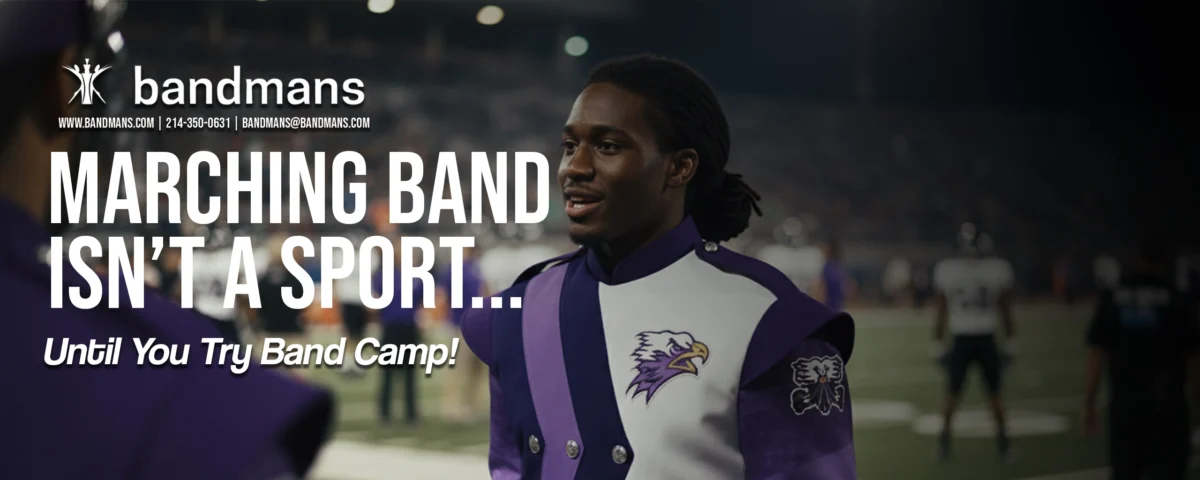
3 Important ways that Marching Band Isn’t a Sport… Until You Try Band Camp
Marching band has this funny reputation online: either “the cool kids in uniforms” or “the chaotic nerd squad.” Reality? It’s one of the most demanding performance activities out there—music, movement, teamwork, stamina, and straight-up mental toughness all stacked into one show.
The secret sauce: rehearsal culture
A good band doesn’t just “practice.” It builds a repeatable system:
Music block = tone, timing, balance, ensemble listening
Visual block = feet timing, posture, spacing, recovery
Chunking = you’re not learning a 9-minute show… you’re learning 12 seconds at a time
Reps with purpose = “do it again” isn’t the plan; “fix this one thing” is
If you’re leading (director, section leader, captain), the fastest hack is turning rehearsal notes into one clear priority per rep. People lock in when the target is obvious.
Why marching band builds real-life skills
This isn’t motivational fluff—marching band teaches:
performing under pressure
staying locked to a system even when you’re tired
taking feedback without spiraling
being accountable to a group outcome
That’s why marching arts orgs talk about the “values and education” side of the activity—not just the performance side.
A quick “better show” checklist
If your band wants instant improvement without rewriting the whole season:
Cleaner transitions (most shows leak points between sets)
Uniform visual vocabulary (everyone matches posture + style)
Stronger last 30 seconds (final impression matters way more than you think)
Treat uniforms like part of the performance (fit + consistency = confidence)
References & resources:
Drum Corps International — values & education: https://www.dci.org/values_education/
Bands of America participating director info hub: https://marching.musicforall.org/directorinfo/
Marching.com resources directory (events + links): https://marching.com/