
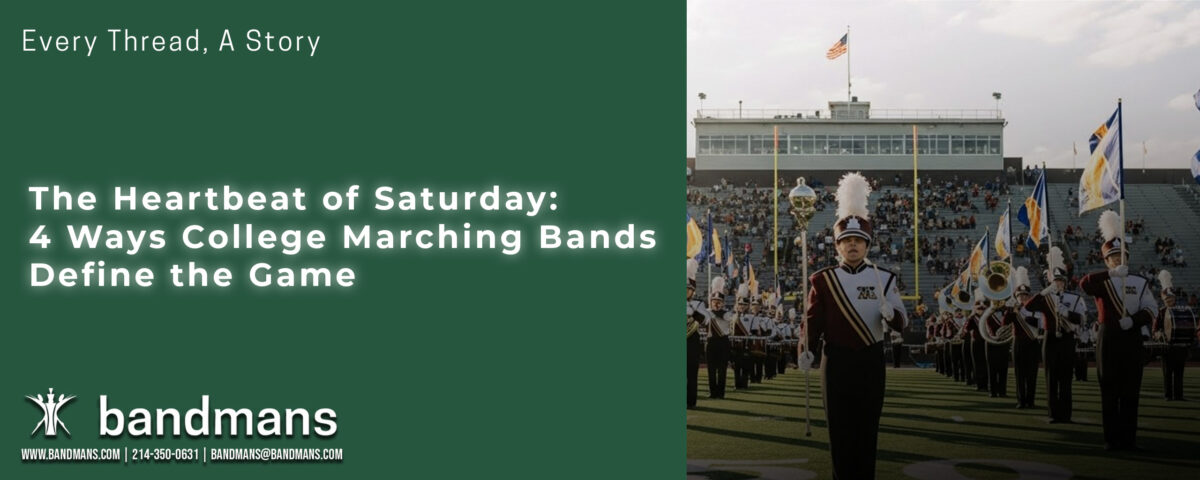
The Heartbeat of Saturday: 4 Ways College Marching Bands Define the Game
It starts as a low rumble in the distance—the synchronized cadence of snare drums echoing off concrete stadium walls. By the time the brass section hits the field, the atmosphere has shifted entirely. College marching bands are not merely entertainment; they are the soundtrack of the university experience. They bridge the gap between alumni and undergraduates, turning a sporting event into a shared cultural ritual. Here are four ways these ensembles bridge musical excellence and athletic endurance to create a spectacle that is uniquely American.
1. Creating the Sonic Landscape
While the football team plays for four quarters, the band performs for the entire day. From the pre-game parade to the final fight song, these musicians are responsible for curating the energy of the stadium. Historically, this tradition traces back to the late 19th century, evolving from strict military units into the dynamic, diverse ensembles we see today. Whether it is the rousing fight song after a touchdown or a defensive chant on third down, the band dictates the emotional pace of the game.
2. A Mastery of Distinct Styles
To the untrained eye, all marching bands may look similar. However, the collegiate level is defined by distinct stylistic traditions that reflect the history and identity of the university.
Corps Style: Heavily influenced by Drum Corps International (DCI), this style emphasizes artistic visual design, fluid curvilinear drill forms, and a “roll step” technique that allows for a smooth, symphonic sound.
Military Style: Upholding tradition, bands like the Texas A&M “Fightin’ Texas Aggie Band” utilize strict military counter-marching and straight lines. Their drills are mathematical marvels of precision and timing.
Show Style: Prominent at Historically Black Colleges and Universities (HBCUs), this high-energy style features the traditional high-step march, popular music arrangements, and intricate dance routines that prioritize audience engagement.
3. Upholding Icons and Traditions
Certain traditions have transcended their campuses to become icons of college sports. The Ohio State University’s “Script Ohio“—where the band spells out the state name in a flowing cursive drill, culminating in a senior sousaphone player “dotting the i”—is perhaps the most recognizable maneuver in marching history. Similarly, the “Fifth Quarter” performances at many schools turn the post-game period into a concert, proving that for many fans, the music matters just as much as the scoreboard. These rituals are the threads that bind generations of fans together, ensuring that the legacy of the university survives long after graduation.
4. The Discipline of the Athlete-Musician
Behind the pageantry lies an intense athletic reality. College marching band members are true student-athletes, memorizing complex coordinates and music while carrying heavy instruments for miles. They rehearse for hours daily, often in extreme weather, developing a level of discipline and teamwork that serves them for the rest of their lives. It is a pursuit that demands perfection, yet offers no timeouts.
The college marching band remains one of the few places where hundreds of individuals act as a single organism, breathing and moving in perfect unison. It is a celebration of collective effort—a reminder that when we commit to a shared purpose, we can create something powerful, moving, and timeless. As the final notes ring out across the field, we aren’t just hearing music; we are hearing the pride of a community.
Dress Your Band for the Big Stage At Bandmans Company, we believe every ensemble deserves to look as good as they sound. Whether you are outfitting a collegiate drumline or designing a custom uniform for a championship season, our team is ready to help you command the field.